

At the start of last year, we put our necks on the line and shared our predictions for the consumer trends we believed would shape 2025. We promised we’d come back and sense‑check ourselves once the year had played out, and now felt like the right time to do exactly that.
For marketers, hindsight like this matters just as much as foresight. When budgets are tight, platforms keep shifting, and every new tool is being pitched as essential, knowing what actually played out (and why) helps cut through the noise.
Our goal with the original forecast wasn’t to get every detail spot on, we’re not Pinterest Predicts. Instead, we tried to read the cultural mood, spot tensions early, and understand why people behave the way they do online. Looking back now, here’s an honest take on what we got right, where reality surprised us, and what we’d tweak with hindsight.
Trend 1: “The best of both worlds”
Blending AI, digital and physical life
What we got right
We predicted that AI wouldn’t replace creativity, but would quietly blend into everyday life. For the most part, that’s exactly what happened. AI became normal. Unremarkable, even. What started as a headline feature quickly settled into the background as part of creative tools, content production, customer journeys and smart home tech, without feeling futuristic any more.
That said, its growing ability to generate videos and images convincing enough to fool even the savviest internet users has been undeniably uncanny.
We also anticipated the mixed reaction to AI‑led campaigns. While brands experimented enthusiastically, audiences were quick to push back when things felt soulless or novelty‑led. A clear example was McDonald’s Christmas campaign in the Netherlands, which relied heavily on AI and was quietly pulled following negative public reaction. Closer to home, an AI‑generated Christmas mural installed in London sparked similar criticism, with audiences questioning both the creative intent and the lack of human involvement behind it.
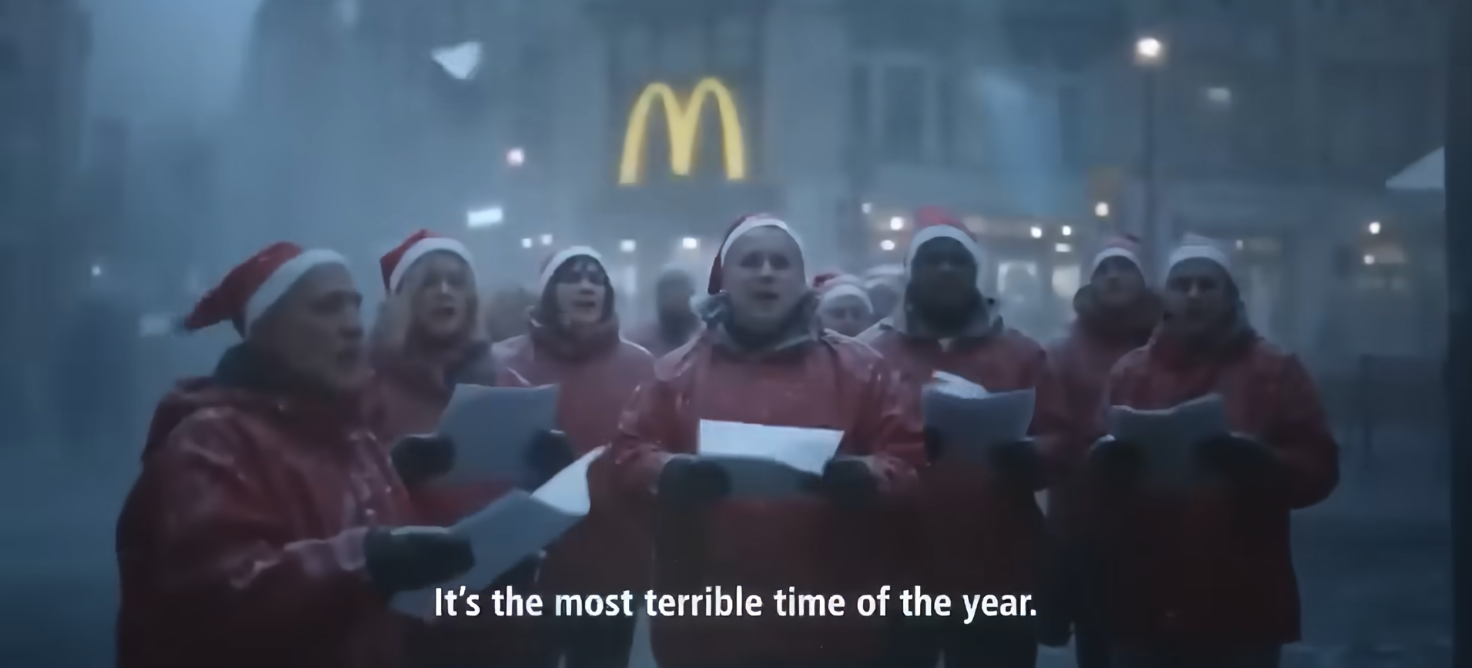
It’s no coincidence that both examples came from Christmas campaigns. Festive advertising puts brand creativity under a microscope. Audiences expect emotional resonance, shared nostalgia, or something genuinely distinctive, and when those elements are missing, it shows. AI‑first creative often struggles here because it can miss what matters most: warmth, intention and human perspective.
From a performance marketing point of view, this played out in very practical ways. Campaigns that looked efficient on paper didn’t always convert as expected. Creative fatigue set in faster, engagement softened, and optimisation became harder when everything started to feel the same.
None of this meant brands stopped using AI altogether, nor should they! Tools like Performance Max and Meta Advantage+ became everyday parts of digital marketing, helping teams move faster, test more and focus their time where it mattered most. Used this way, AI worked best as infrastructure rather than a headline, supporting decisions instead of replacing judgement.
What we’d tweak
What we slightly underestimated was just how quickly AI would stop feeling like a headline feature. It didn’t stay front-and-centre for long. Instead, it slipped into the background as a practical tool, and the conversation moved on faster than expected.
That shift was summed up neatly at CES 2026, where Dell spoke candidly about the fact that end consumers don’t really care about AI features, and that they weren’t planning to push AI-first messaging in the same way as other tech brands. That honesty landed well with audiences, reinforcing the idea that usefulness now matters far more than novelty.
Trend 2: Back to basics
AI fatigue, trust, and the return to real connection
What we got right
AI fatigue became very real in 2025, with people actively craving human interaction, community and simplicity.
From a brand perspective, this fatigue started to show tangible consequences. As Martech highlighted, AI overload wasn’t just dulling audiences, it was actively harming engagement and trust. When everything is optimised, automated and scaled, very little feels intentional. Brands chasing efficiency and novelty often found themselves losing credibility in the process.
For businesses, this showed up in frustrating ways. High volumes of AI-generated content didn’t automatically translate into stronger performance. Lazy messaging, templated creative and “always‑on” activity blurred together, making it harder for brands to feel distinctive, and harder for teams to justify where time and budget were really being spent.
People didn’t suddenly decide they hated the internet. They simply got fed up with how noisy and impersonal it had become.
What we’d tweak
If anything, we’d say this trend accelerated faster than expected. What felt like an emerging movement at the start of 2025 became a baseline expectation by the end of the year.
If we were refining this now, we’d focus less on “simplifying” and more on credibility, trust, and respect for your target audience's attention.
Trend 3: New Nostalgia
Meaningful moments and emotional storytelling
What we got right
Throughout 2025, brands leaned into storytelling that focused less on spectacle and more on memory, meaning and real life. Nostalgia became a useful shortcut in digital marketing because familiar references helped content cut through crowded feeds quickly and emotionally.
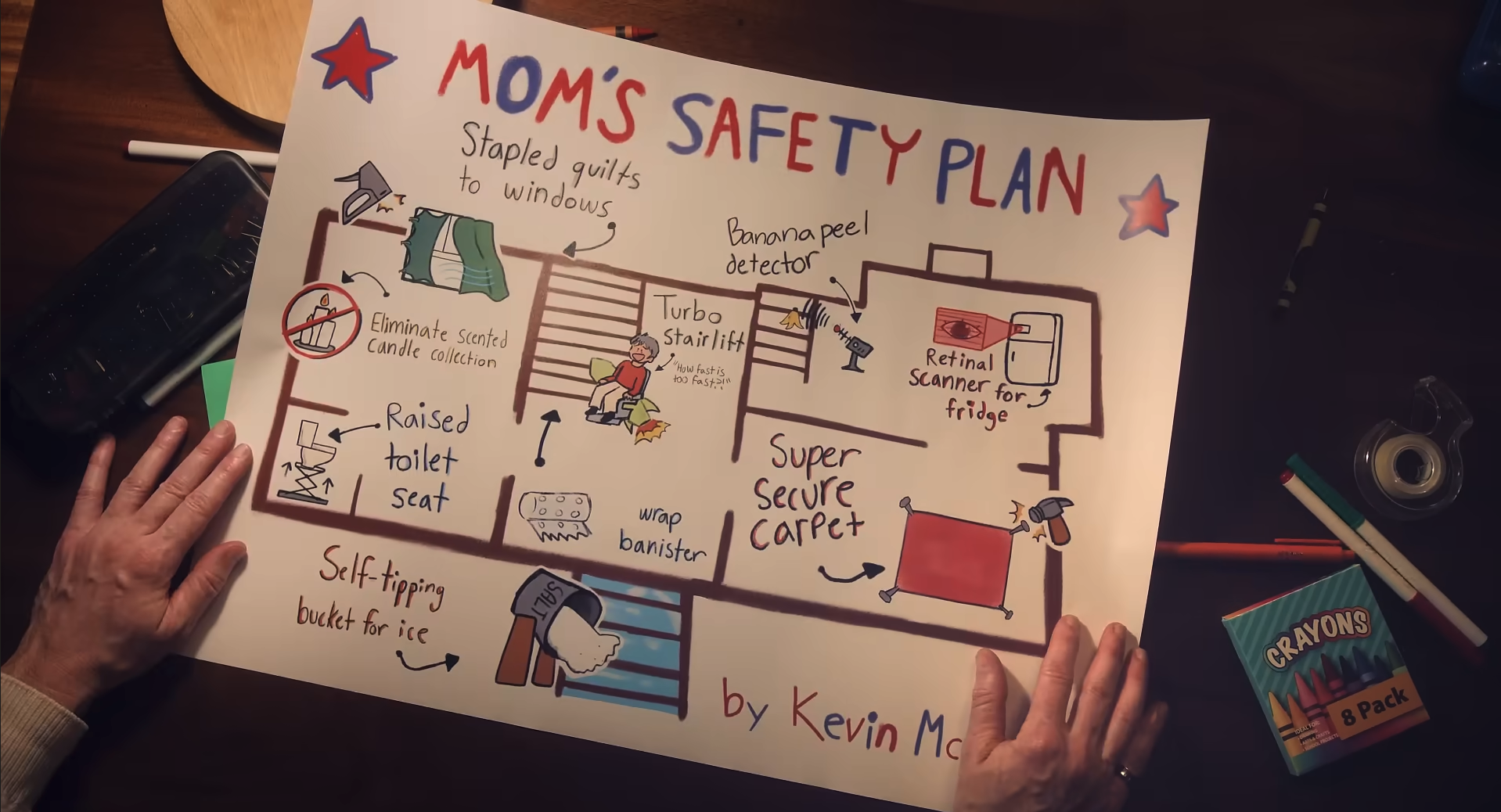
We saw this clearly in the campaigns that landed well. Home Instead’s “Home, But Not Alone” revisited Macaulay Culkin’s famously over-prepared Kevin McCallister 35 years on, using a recognisable character to open up a much quieter, more serious conversation about caring for ageing parents. The nostalgia did the initial work of stopping the scroll, but the message carried it the rest of the way.
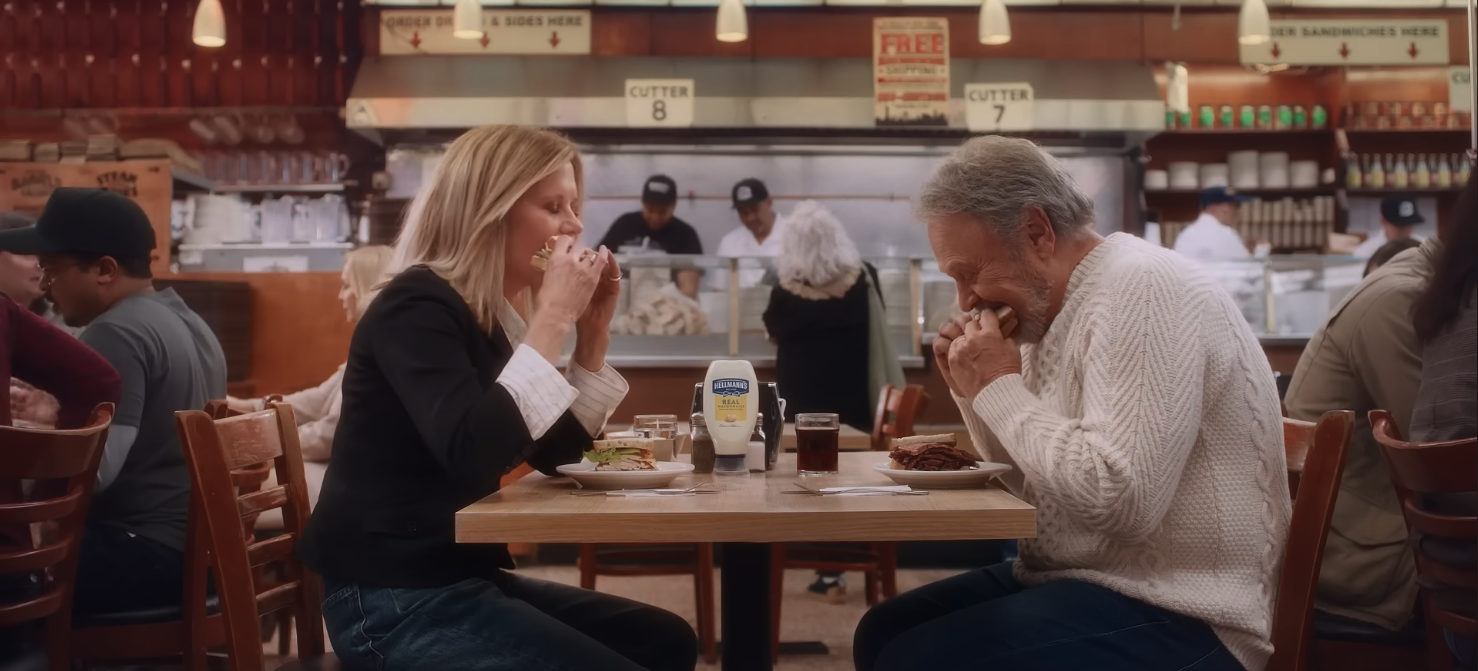
Other brands used nostalgia in lighter, more playful ways. Hellmanns recreated the iconic restaurant scene from When Harry Met Sally and Google reimagined scenes from Love Actually with original cast members to demonstrate the Google Pixel’s camera features, using familiarity to make the product feel less intrusive and more naturally part of the story.
From a performance perspective, these campaigns worked because they reduced friction. Audiences didn’t need to work to understand the reference or the tone, they already had emotional context. That made the content more watchable, more shareable and easier to engage with across paid social, video and display.
We also saw this trend play out visually. Throwbacks like cherry tones moved from prediction to mainstream almost overnight, showing how quickly familiar aesthetics can re-enter the digital landscape when audiences are primed for them.
The broader insight held true. People wanted digital content to feel meaningful, not just efficient. For brands, nostalgia became a way to build emotional relevance without over-explaining or over-producing. In a year of noisy feeds and short attention spans, the campaigns that performed best were often the ones that felt instantly familiar, emotionally grounded and easy to connect with.
What we’d tweak
No notes here, if anything, we’d love to have seen more of this approach, nostalgia is a powerful tool!
Trend 4: Embracing chaos and playful expression
Imperfection, rebellion, and creative freedom
What we got right
The rejection of perfection definitely continued, but it showed up in more practical ways than we initially expected. Playfulness, irony and experimentation remained strong across fashion, beauty, interiors and, importantly, social content.
That said, not all rebellion landed well. We saw several brands lean into “ragebait-style” marketing last year, including e.l.f.’s campaign with Matt Rife and American Eagle’s work with Sydney Sweeney. While these campaigns sparked short-term attention, the backlash was telling. Research from PRonthego showed that when using “rage bait” as your main tactic, although traffic briefly spiked, customer retention dropped by nearly 40% within three months, suggesting that shock-led messaging can quickly erode trust.
This is a familiar problem for a lot of marketing teams. Attention can be easy to generate with the right budget and keywords, but it’s much harder to turn it into conversions and long-term value.
The difference comes down to intent. When there are high stakes behind the messaging, what’s framed as humour can easily tip into offence. The brands that felt culturally in tune weren’t trying to provoke for the sake of it, they showed personality and humour.
A good example of chaos taking on a life of its own was Jet2’s long-running “Nothing beats a Jet2 holiday” campaign. What started as a perfectly straightforward, upbeat brand message was adopted by the internet and transformed into a meme format, pairing the voiceover and song from Jet2’s advert with clips of situations going wrong or unexpectedly.
You only have to look under the sound on TikTok to see how far it travelled. The format became shorthand for ironic chaos, so much so that Hold My Hand by Jess Glynne ended up as TikTok’s number one song of the year. Crucially, this wasn’t chaos manufactured by the brand, it was chaos embraced. Jet2 didn’t fight it or overcorrect. They let audiences play with the asset, which strengthened brand recognition rather than diluting it.
On the more intentionally playful side, Andrex showed how absurd humour can still work when it’s rooted in the right messaging. Their campaign tackled a real world taboo that a large majority of children avoid going to the loo at school out of embarrassment with surreal, exaggerated storytelling in a way that felt genuinely funny rather than try-hard.
What we’d tweak
When we wrote this, we were thinking of rebellion as a dominant aesthetic. What actually emerged was something more flexible. It wasn’t about every brand being bold or chaotic all the time, but about having the confidence to break the rules when it genuinely made sense.
To wrap it all up
So, how accurate were we? We didn’t call everything perfectly, and we wouldn’t claim to. Some ideas landed faster than expected, some took different shapes, and others played out more quietly than we imagined.
But across the year, the same themes kept resurfacing. Technology kept accelerating, while people pushed back against noise, sameness and shallow experiences. Where brands listened, adapted and applied judgement, things worked. Where they chased every new tool or trend without thinking it through, performance often suffered.
We didn’t predict every outcome, but we were asking the right questions.
Our role isn’t to tell businesses what to jump on next. It’s to help marketing teams work out what’s worth their time, what’s worth ignoring, and how to build performance that still feels human.
If any of this has you thinking about where your marketing fits next year, we’re always happy to chat. Helping brands make sense of the noise, and focus on what actually works, is kind of our thing.


